The Ultimate Guide to Choosing Your Next Pair of Hiking Shoes
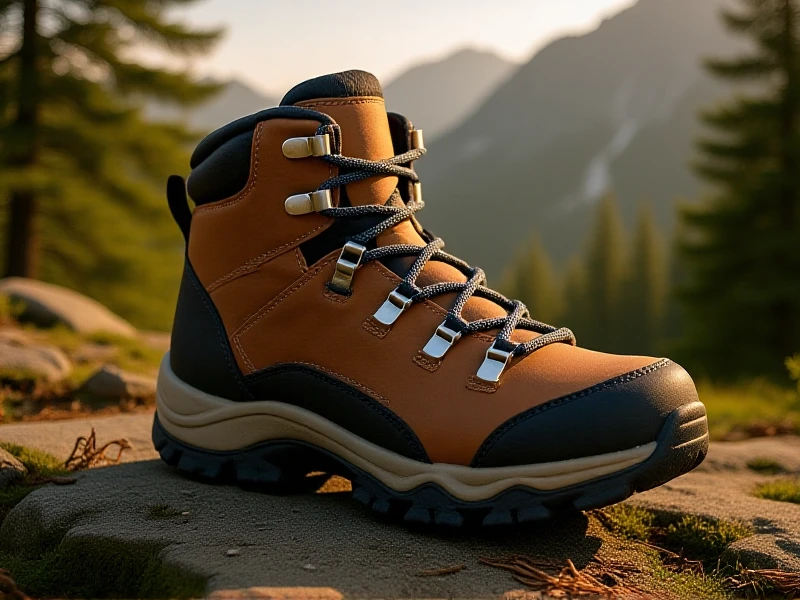
Hitting the trails offers unmatched adventure, whether climbing peaks or exploring gentle forest paths. But the wrong footwear can quickly cut that adventure short. That's where dedicated hiking shoes come in – they're not just another pair of sneakers. They're specifically engineered to provide vital support, protection, and traction over varied, challenging terrain, making your hikes safer and far more enjoyable.
Why Dedicated Hiking Shoes Matter:
Imagine navigating slippery rocks, loose gravel, muddy patches, or steep ascents. Regular athletic shoes lack the necessary grip (outsole), stability (midsole and chassis), and toe/ankle protection a true hiking shoe provides. Hiking shoes are designed with sturdy rubber outsoles, featuring deep, multi-directional lugs that bite into dirt and mud while shedding debris. This translates to confidence on unstable ground, preventing slips and falls.
Key Features to Look For:
When browsing hiking shoes, prioritize these essential characteristics for comfort, durability, and performance:
- Comfort & Fit: Crucially important. Try them on in the afternoon when feet are naturally slightly swollen. Wear the socks you usually hike in. Ensure ample room in the toe box without heel lift. Consider your intended hiking terrain and pack weight – heavier loads might lean you towards boots for maximum ankle support.
- Support & Stability: A robust midsole and well-defined chassis minimize foot fatigue on uneven trails. They prevent arches from rolling inward or outward (pronation/supination), protecting against injury over long distances.
- Traction: Look for sticky rubber compounds like Vibram® or proprietary brand tech. Deep, widely spaced lugs perform best in mud and soft earth, while closer, multidirectional patterns excel on rocks and solid paths.
- Protection: Reinforced toe caps shield against stubs. Rock plates embedded in the midsole protect feet from sharp objects. Abrasion-resistant uppers withstand the rigors of the trail.
- Material & Water Management: Waterproof options featuring membranes like Gore-Tex® are excellent for wet conditions but can be less breathable. Lightweight mesh uppers offer superior ventilation for warm, dry climates and fast hikes. Water-resistant and quick-drying treatments offer a balance.
Keeping Your Hiking Shoes Trail-Ready:
Investing in quality hiking shoes deserves smart care. Clean off dirt immediately after hikes. Remove insoles to air dry naturally – avoid direct heat sources. Reproof waterproof models periodically using brand-recommended treatments. Rotating pairs allows linings to fully dry out between uses.
Choosing the right hiking shoes is foundational to your trail experience. Take the time to identify your specific needs – consider distance, terrain type, weather, and personal comfort preferences. Visit an outdoor retailer for expert fitting advice. A well-chosen pair grips the path securely, wards off rocky abuse, cushions your step, and provides the stability to explore further. Pair the right footwear with suitable socks and you're ready to tackle your next adventure with confidence.