Finding Your Perfect Match: A Guide to Choosing the Best Hiking Boots
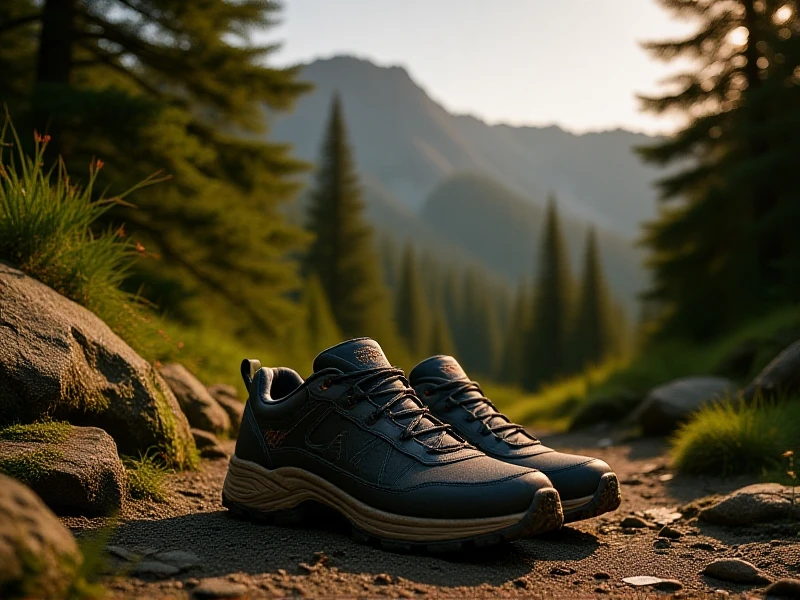
Stepping onto a dusty trail, feeling uneven rocks beneath you, or navigating a muddy path – the adventure calls! But before conquering that summit or exploring that hidden valley, one piece of gear stands between you and discomfort (or worse): your hiking boots. Choosing the right pair isn't just about looks; it's an essential investment in your enjoyment and safety on the trail. Let's break down what makes a great hiking boot.
First up: Support & Stability. Your ankles crave support, especially with a pack or on technical terrain. Look for sturdy midsoles and higher cut collars for rugged mountain trails. For well-maintained paths, a mid-cut boot offers good balance. Low-cut shoes might work for light, dry walks but generally lack the ankle protection true hiking demands. Assess the trails you frequent most!
Next, Traction is Non-Negotiable. Those rugged Vibram or comparable lug soles aren't just for show. Deep, multi-directional lugs provide the grip needed on wet rocks, loose gravel, mud, and slippery roots. A solid heel brake helps control descents. Don't underestimate the difference a high-quality outsole makes in preventing slips.
Durability & Material matters immensely. Boots face relentless punishment. Full-grain leather offers legendary toughness and water resistance (once treated), though it can be heavier. Nubuck leather is a supple, slightly lighter option also needing treatment. Synthetics like nylon mesh boost breathability and cut weight significantly, perfect for warmer climates and less extreme trips. Many boots combine materials for an optimal balance.
Let's talk Weight. This is a personal comfort equation. Sturdy leather boots offer maximum support and protection but add ounces. Lighter synthetic boots reduce fatigue on long miles but might sacrifice some durability on rocky scrambles. Consider your typical hike distance and terrain difficulty when prioritizing support versus lightweight feel.
Waterproofing: Yes or No? A waterproof membrane (like Gore-Tex) is fantastic for cold, wet, or muddy hikes, keeping your feet dry from external moisture. However, it can also trap sweat on hot days, making feet swampy. For dry climates or summer hikes, highly breathable non-waterproof boots might keep your feet cooler and happier. Know your typical hiking conditions!
Fit is KING (or QUEEN!). This can't be stressed enough. Your feet swell during hiking. Visit a reputable outdoor store later in the day when feet are largest. Wear the socks you hike in. Ensure ample toe room (wiggle space!), a snug heel that doesn't lift, and no rubbing pressure points. Walk on an incline/decline if possible. Different brands fit differently – try several!
Key Takeaway: Investing time in finding the perfect hiking boots tailored to your feet and your intended trails is crucial. Prioritize support, grip, and fit. Don't be swayed purely by price or style. The right boots will feel like an extension of your feet, empowering you to hike further, more comfortably, and much safer. Your feet (and your adventure) deserve nothing less. Happy trails!