Your Perfect Trail Companion: Choosing the Best Hiking Shoes for Every Adventure
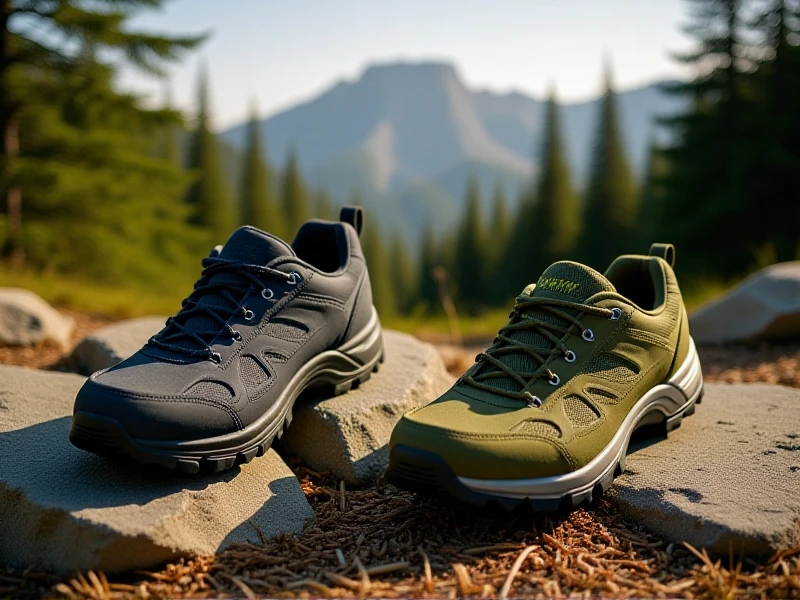
Hitting the trails offers unparalleled freedom and connection with nature. But blisters, sore feet, or worse, a turned ankle, can derail your adventure before it truly begins. That's where your most critical piece of gear steps in: high-quality Hiking Shoes. Forget the myth; your everyday sneakers simply aren't cut out for uneven, demanding terrain. Selecting the right Hiking Shoes isn't just about comfort – it's about safety, performance, and maximizing your enjoyment of the great outdoors.
So, what truly separates dedicated Hiking Shoes from regular footwear? It boils down to purposeful design built for resilience and support.
- Support & Stability: The Foundation: Trails are naturally uneven. Quality Hiking Shoes provide crucial ankle support (especially mid-cut boots) and feature stiff midsoles (the shank) to prevent foot fatigue and protect you from sharp rocks underfoot. The secure fit prevents your foot from sliding inside the shoe on descents and slopes, reducing the risk of injuries.
- Durable Traction: Grip Your Path: Slipping is a major trail hazard. Hiking Shoes employ deeply-lugged outsoles made of sticky, durable rubber compounds. These lugs bite into mud, loose gravel, wet rock, and roots far more effectively than any street shoe sole, giving you confidence with every step, regardless of conditions.
- Protection & Defense: Trail obstacles abound. Rugged toe caps shield your feet from stubs against rocks or roots. Many Hiking Shoes feature protective rands around the toe box. Reinforced uppers, often made from synthetic mesh (lightweight and breathable), robust leather (durable and protective), or a blend, fend off abrasion and trail debris.
- Essential Comfort Features: Long miles demand comfort. Cushioned midsoles absorb shock. Breathable linings manage moisture (like GORE-TEX® membranes for waterproofing if you need it, remember non-waterproof models often cool better). Proper heel collars and padded tongues prevent chafing. A well-designed footbed supports the arch.
Choosing Your Ideal Hiking Shoes: Terrain Matters
- Day Hikes on Well-Maintained Trails: Lightweight hiking shoes or low-cut boots offer excellent agility and breathability without being burdensome.
- Rocky Terrain or Heavy Backpacks: Opt for mid-cut hiking boots providing enhanced ankle support and greater stability for carrying loads or navigating technical scrambles.
- Wet & Muddy Conditions: Waterproof boots (e.g., with GORE-TEX®) are essential here, keeping your feet dry through puddles and rain. Robust outsoles prevent mud clumping.
- Warm, Dry Conditions: Prioritize breathable, non-waterproof hiking shoes or trail runners to keep your feet cool and dry from sweat.
Your Foot Health & Performance Hub
Think of your Hiking Shoes as the command center for your outing. They directly influence your endurance and long-term foot health. Well-fitted Hiking Shoes prevent common complaints like blisters, plantar fasciitis flare-ups, and joint pain. They allow you to hike longer, farther, and with more comfort, transforming a potentially grueling trek into pure exhilaration.
Investing time in finding your perfect pair isn't an indulgence; it's basic trail wisdom. Visit a reputable outdoor retailer for expert fitting advice tailored to your feet and planned adventures. Lacing up the right Hiking Shoes transforms the way you experience the wilderness, one confident, supportive, and secure step after another.