How to Choose the Perfect Hiking Shoes for Your Next Adventure
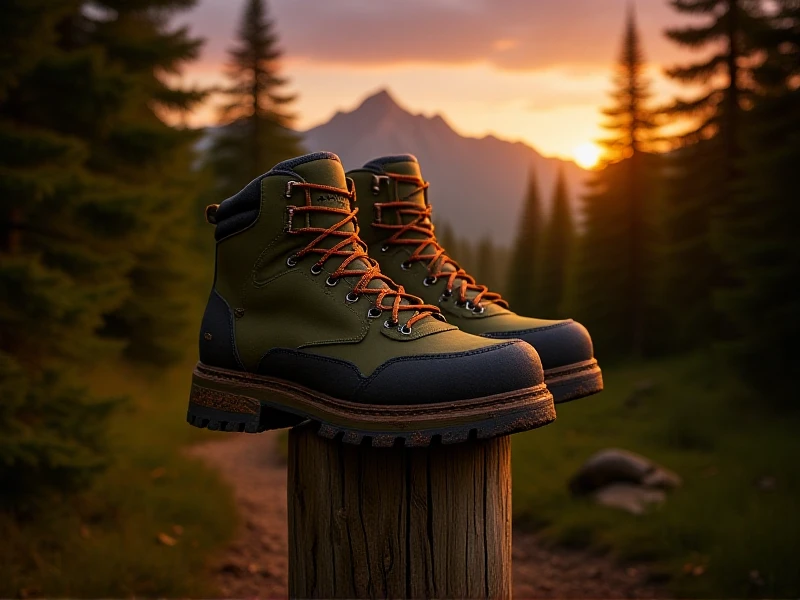
Hiking demands reliable footwear for safety and comfort. Choosing the right pair of hiking shoes is crucial, whether you're tackling rocky trails or enjoying forest walks. This guide covers key features to consider.
-
Prioritize Terrain Support
Lightweight trail shoes work best for smooth paths and short trips, offering flexibility and breathability. For rugged terrain, opt for mid-cut or high-cut boots with ankle support and rigid soles. Vibram rubber outsoles, known for superior grip, prevent slips on wet or uneven surfaces. -
Waterproofing vs. Breathability
Waterproof membranes like Gore-Tex keep feet dry in rainy climates or marshy areas. However, if breathability is your priority—especially in warm regions—non-waterproof shoes made of quick-drying mesh provide better airflow and reduce sweat buildup. -
Fit Essentials
Always try shoes at the end of the day when feet swell. Leave a thumb’s width of space beyond your longest toe, and ensure heels stay snug without slipping. Walk on an incline to test comfort. Remember: Hiking shoes rarely require "breaking in" if properly fitted.
Pro Maintenance Tips
Extend shoe lifespan by brushing off dirt post-hike and airing them out. Avoid direct heat sources. Use a waterproofing treatment every few months. Rotate between two pairs to let cushioning recover.
Investing in quality hiking shoes prevents blisters and injuries, transforming demanding hikes into enjoyable experiences. Analyze trails you frequent before purchasing, and your feet will thank you mile after mile. Ready to explore?
Footnotes: Prices range from $80-$200. Replacing shoes every 500-800 miles maintains optimal support.